2Sync
CTO & Founder
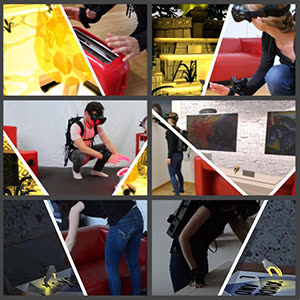
2Sync is the responsive design tool for Extended Reality:
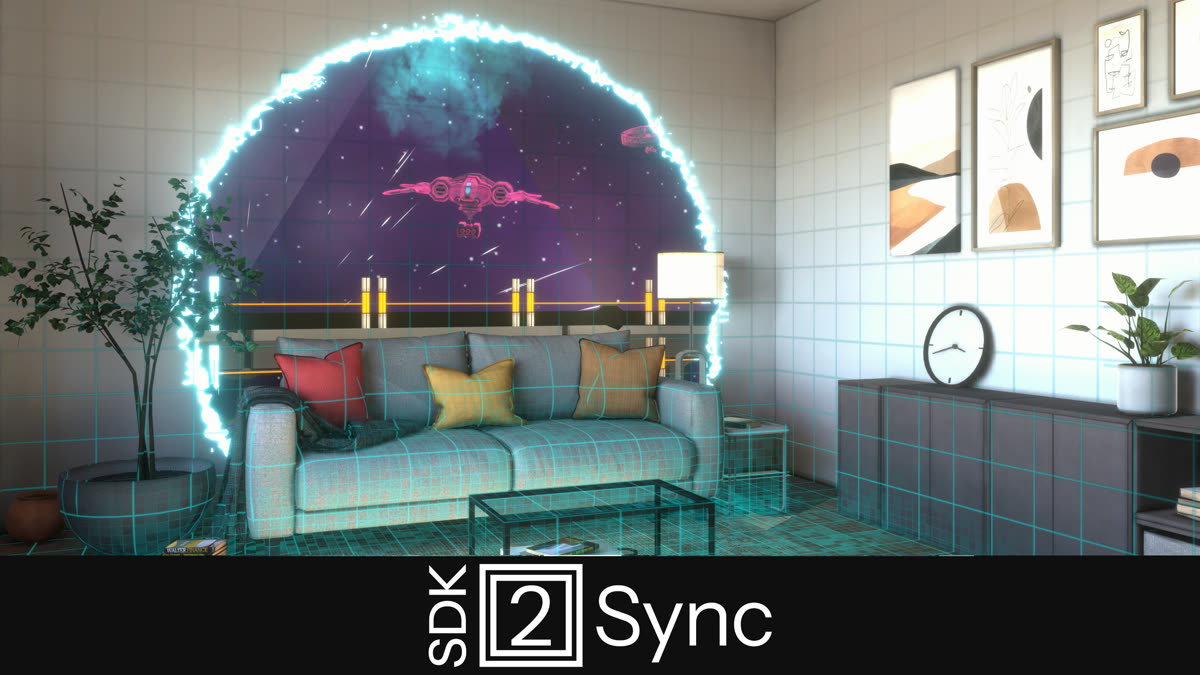
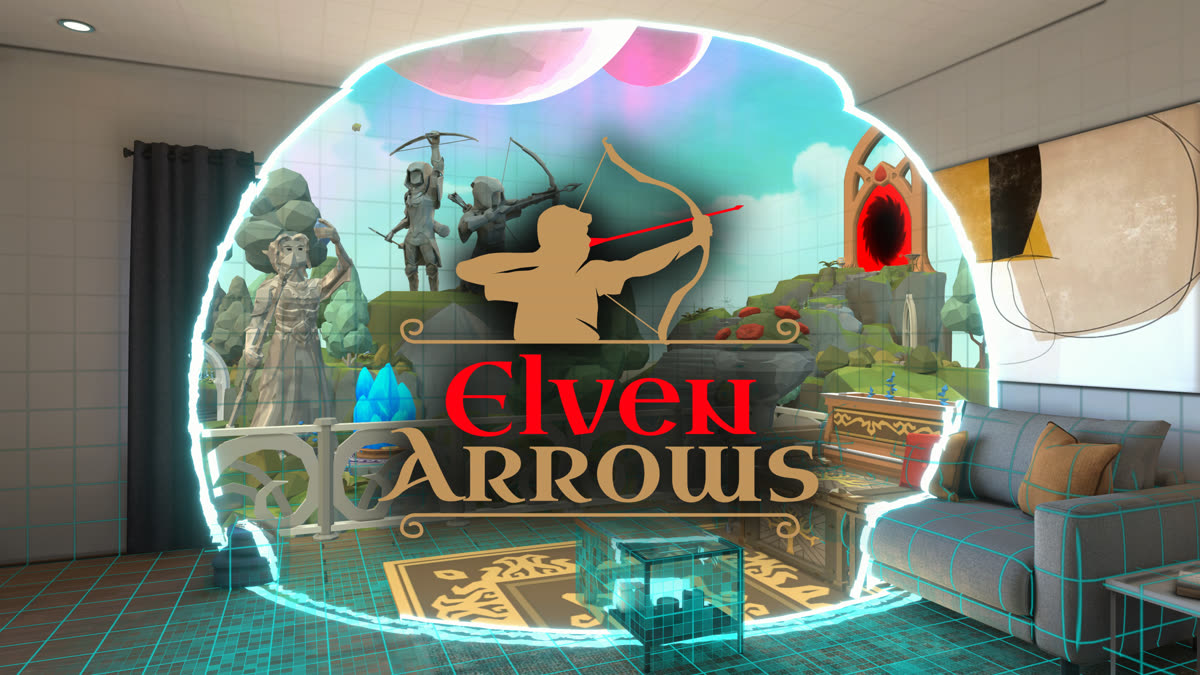
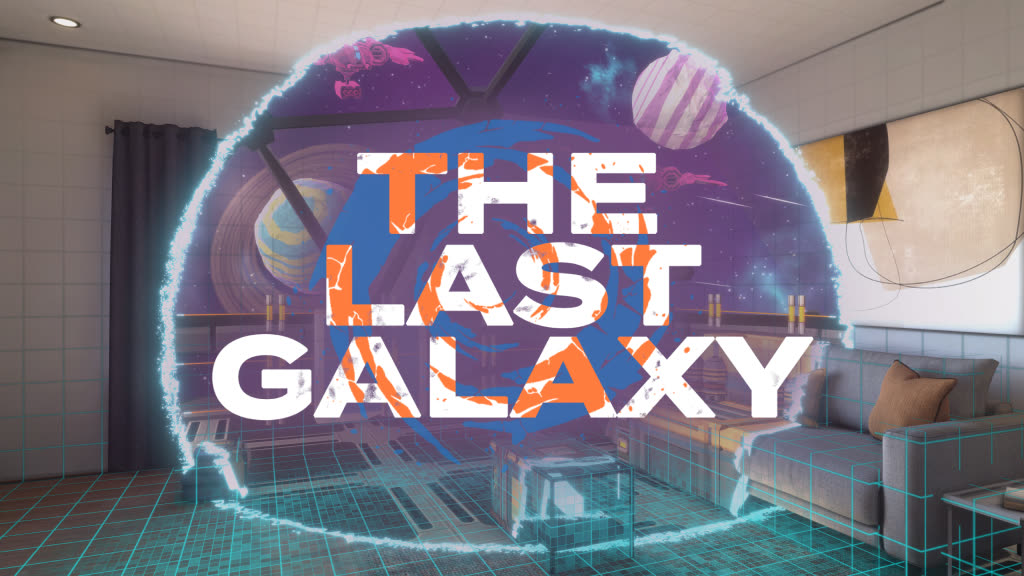
Our SDK enables immersive, free-roam MR apps that auto-adapt to any physical environment instantly.
By mapping and integrating the real world into the virtual experience,
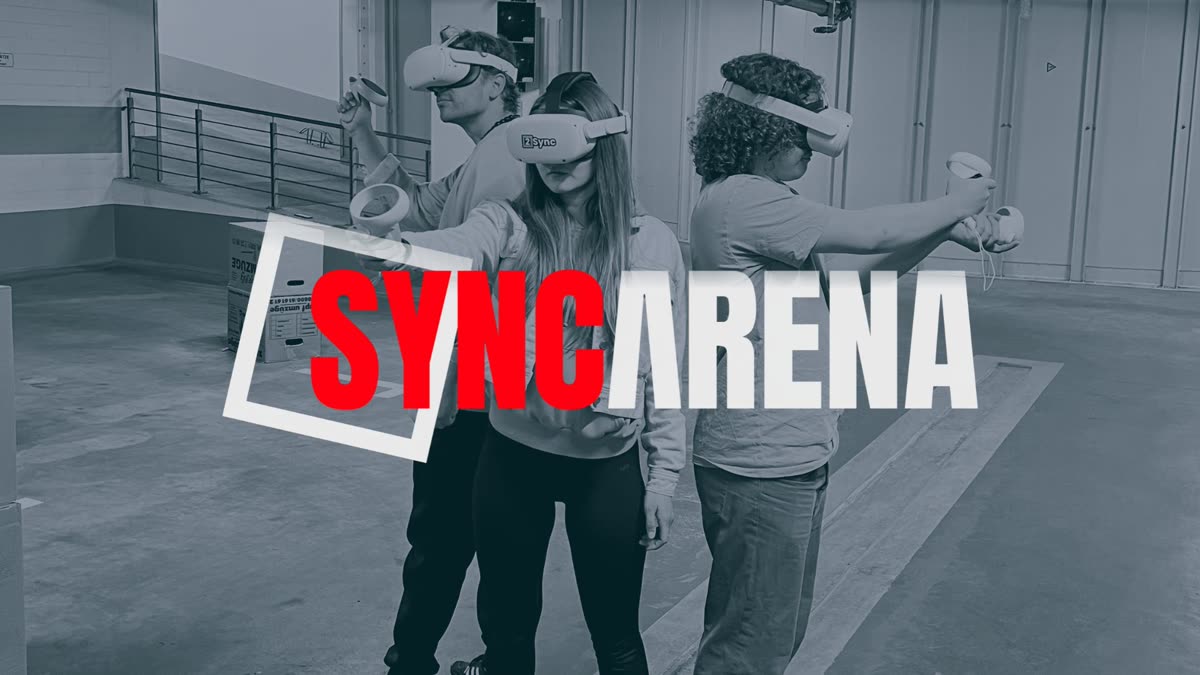
the 2Sync SDK allows true spatial immersion, combining the benefits of free movement,
passive haptics, and reduced motion sickness.
See more on 2sync.io.
Mercedes-Benz Tech Motion GmbH
Software Engineer
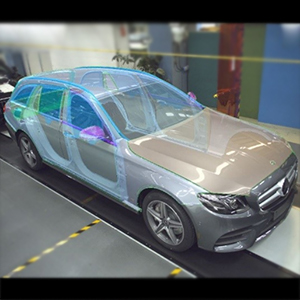
Software Engineer in Research and Development, exploring how immersive technologies like VR and AR can enhance experiences both inside and around the vehicle. Working on virtual engineering projects that push the boundaries of what's possible with spatial computing in automotive contexts.
University of Otago
Intern
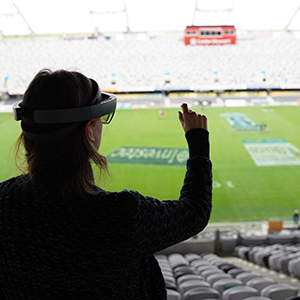
Additional information about current live sports games (like soccer or rugby) in the TV is already ubiquitous. With the departure of computer science at the University of Otago, we are working on an AR project to bring this additional information (like player stats, heat map, offside line ...) directly to the user's phone in the stadium.
Hasso Plattner Institute
Master thesis
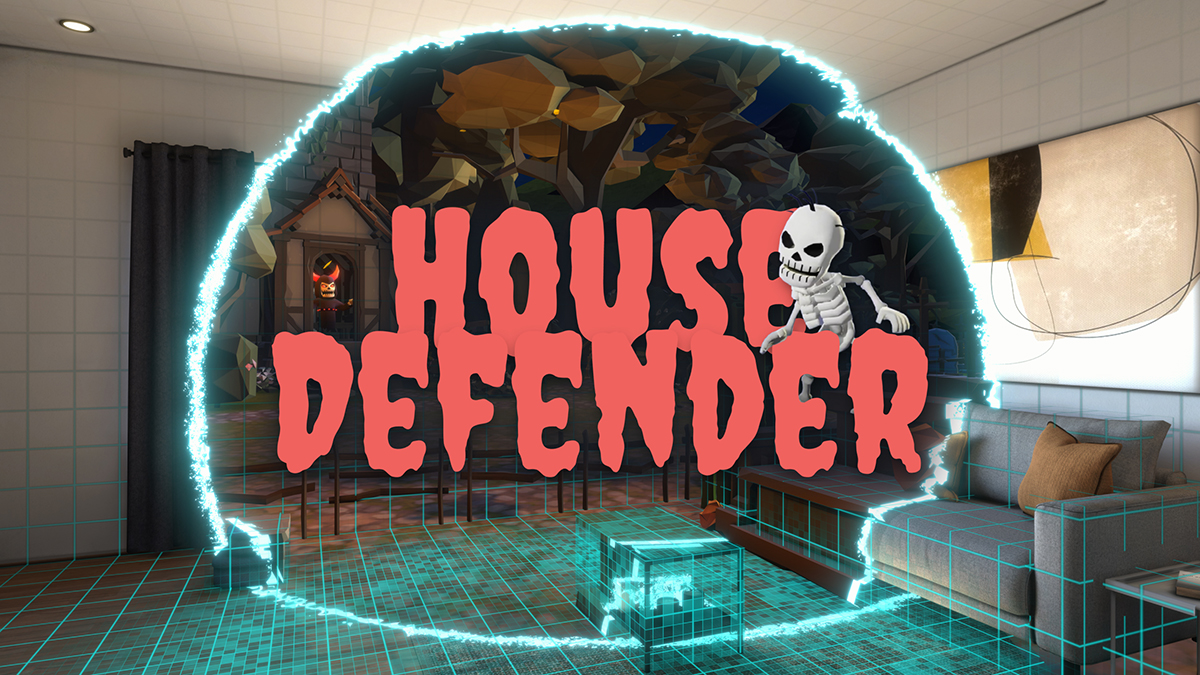
Current passive haptics VR experiences only run with a premeditated set of physical props, preventing such experiences from running anywhere else. During my master thesis, I developed with a small team at Hasso Plattner Institute in Potsdam a software system that allows passive haptics experiences to run on different sets of props, such as physical objects found in the home. My system accomplishes this by allowing Experience Designers to define the virtual objects in their experience using a generic format. This format allows the system to run the experience in a wide range of locations by procedurally modelling virtual object sets to match the available props.
You-VR
Software Engineer
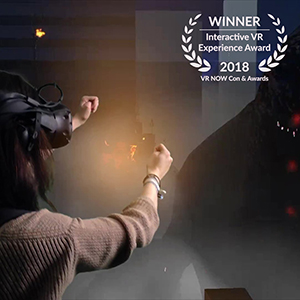
In context and beyond of my compulsory internship at the small Start-Up 'You-VR' I started to work as a Software-Engineer. We developed a multisensory location-based multiplayer VR-Experience in Berlin. In the context of the VR NOW CON our experience got nominated for the interactive VR experience award (see VR NOW Awards).
TU Chemnitz
Student assistant
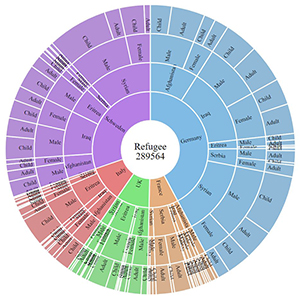
Working on an autonomous driving project, developing methods to describe and process street data for self-driving applications. Implemented visualizations and tools to make road information usable for autonomous navigation systems.
Keio-NUS CUTE Center in Singapore
Research assistant
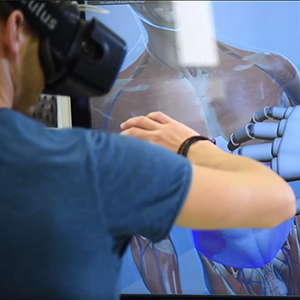
Research assistant at the Keio-NUS CUTE Center in Singapore. Supported the Virtual Interactive Human Anatomy (VIHA) project and developed a Unity3D plugin that enables non-programmers to add hand (Leap Motion) or controller (VIVE) interactions to any VR project. Users could combine predefined triggers (grab, pinch, gestures) with actions (attach, throw, slice, explode) to create interactive experiences.
Bauhaus University in Weimar
Bachelor thesis
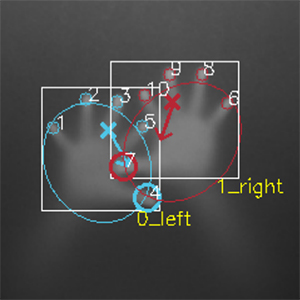
In the context of my bachelor thesis, I implemented and evaluated a software system to increase the robustness of hand and finger tracking for multitouch-tabletops. Compared to other similar systems like the tabletop "PixelSense" of Microsoft and open source projects like Community Core Vision 1.5 and reacTIVision my system produces more robust results. Additionally, my software system is able to identify hands and assign them to different users.
Bauhaus University in Weimar
Student assistant
Student assistant at the VR-Laboratory of the Bauhaus University in Weimar, working on various projects. Focused particularly on touch table and powerwall development.